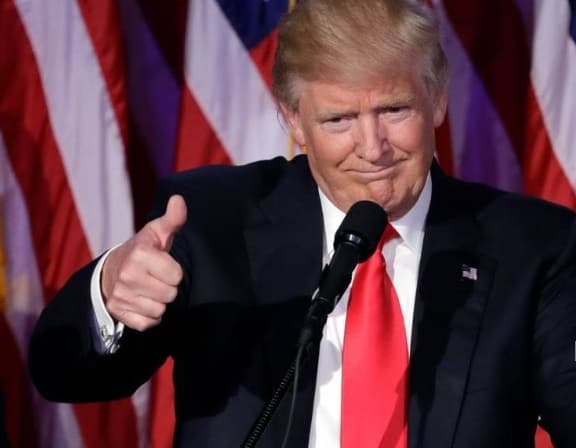
When Morocco named a major highway linking Tiznit to Dakhla after United States President Donald Trump, many observers dismissed it as little more than a symbolic diplomatic gesture. But the decision reflects a much deeper strategy. Morocco was not simply honouring an American president; it was using symbolism to project a national vision.
The road became more than a piece of infrastructure—it became a global marketing tool for Morocco's geopolitical ambitions, its development agenda and its strategic partnership with the United States. Importantly so, President Trump's move to post about appreciating Morrocco's gesture has the whole global attention to Morrocco.
The lesson for countries such as Malawi is significant. Development is no longer measured solely by the number of roads, bridges or airports a country builds. Increasingly, successful nations use infrastructure to shape international perceptions, attract investment and reinforce diplomatic relationships. Morocco has demonstrated that physical infrastructure can also serve as an instrument of soft power.
By associating one of its most strategic infrastructure projects with President Trump, Morocco ensured that every international discussion about the road would inevitably become a discussion about Morocco itself. Attention shifted beyond the name to the purpose of the project—connecting the country's southern provinces, strengthening territorial integration, positioning Dakhla as an Atlantic gateway and linking Africa more closely to global trade routes. In other words, the symbolism amplified Morocco's development story.
This is where many developing countries, including Malawi, often fall short. Infrastructure projects are usually treated as engineering achievements or political milestones that receive attention only during commissioning ceremonies. Once completed, they disappear from the international conversation. Rarely are they packaged as part of a broader national vision capable of attracting investors, development partners and tourists.
Morocco has adopted a different approach. It understands that modern diplomacy extends beyond treaties and state visits. It is also about telling compelling national stories. Roads, ports, airports and logistics corridors become symbols of where a country is heading and the role it intends to play in the regional and global economy.
Malawi possesses enormous assets that could be promoted using a similar strategy. Lake Malawi is one of Africa's most remarkable freshwater resources. The country's central location within Southern Africa gives it potential to become an important regional transport and logistics hub. Its tourism destinations, agricultural potential and emerging mining sector all present opportunities for strategic branding. Yet these assets are often marketed separately rather than woven into one coherent national narrative.
The Moroccan example suggests that infrastructure should not merely connect places; it should connect ideas, partnerships and opportunities. Imagine a flagship transport corridor linking Lake Malawi, tourism destinations and regional trade routes, deliberately branded to celebrate a long-standing international partnership or a globally respected figure such as Morrocco's King Mohammed VI, the association could generate worldwide attention. The objective would not simply be to honour an individual but to elevate Malawi's visibility on the international stage.
Such an approach should never be reduced to naming roads after famous personalities for publicity alone. The naming only works because it is attached to a project with genuine economic and strategic importance. Morocco's road carries President Trump's name, but its real purpose is to showcase Morocco's Atlantic vision, strengthen its southern provinces and position the kingdom as a gateway connecting Africa to global markets. The branding supports the strategy; it does not substitute for it.
This is perhaps the most important lesson for Malawi. Infrastructure should be viewed not only as a development project but also as a communications platform. Every major road, bridge, industrial park or logistics hub should reinforce a larger national objective. When infrastructure tells a compelling story, it becomes easier to attract investors, development finance, tourists and strategic partnerships.
The world is increasingly shaped by competition over trade corridors, ports, supply chains and logistics networks. Countries are no longer competing only through natural resources or labour costs. They are competing through connectivity and the narratives they build around that connectivity. Morocco understands that the ability to connect territories is becoming a source of economic and geopolitical influence.
Malawi can draw an important lesson from this. The country should begin treating infrastructure as part of its foreign policy and economic diplomacy. Roads should be built not only to reduce travel time but also to stimulate trade, strengthen regional integration and project Malawi as an attractive destination for investment. Bridges should connect more than rivers; they should connect Malawi to regional markets. Transport corridors should not merely move goods; they should communicate ambition.
Ultimately, Morocco's decision to associate a strategic highway with President Trump was never just about diplomacy or symbolism. It was a calculated effort to ensure that every conversation about the road became a conversation about Morocco's future. That is the kind of strategic thinking that developing countries increasingly need.
For Malawi, the challenge is not simply to build more infrastructure. It is to ensure that every major project forms part of a larger national story—one that tells investors, development partners and the world where the country is going and why they should be part of that journey.