There is something almost admirable about the confidence with which Malawi's government has just spent the better part of a fortnight training a new diplomatic corps in everything except the one thing it claims to want from them.
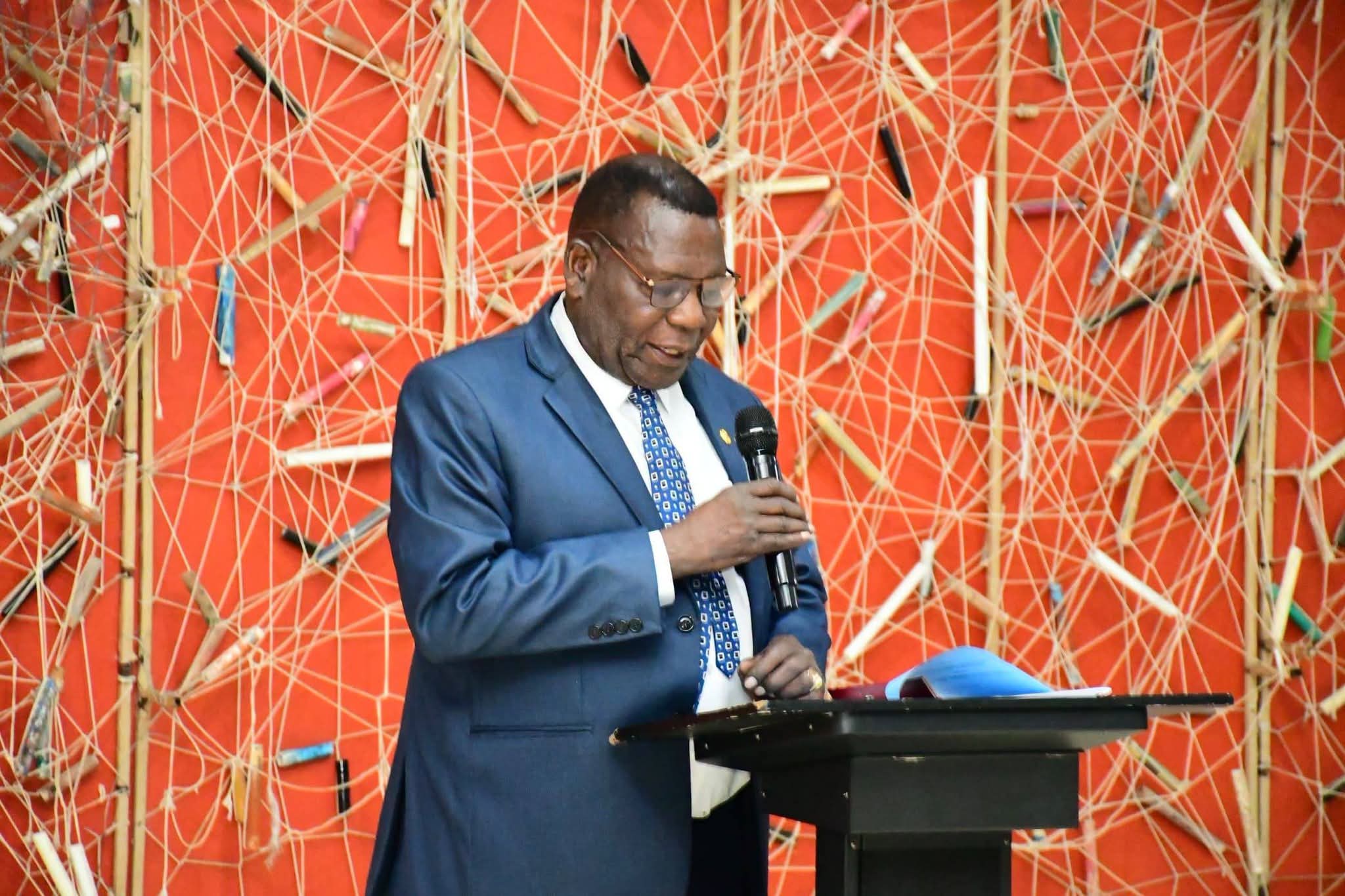
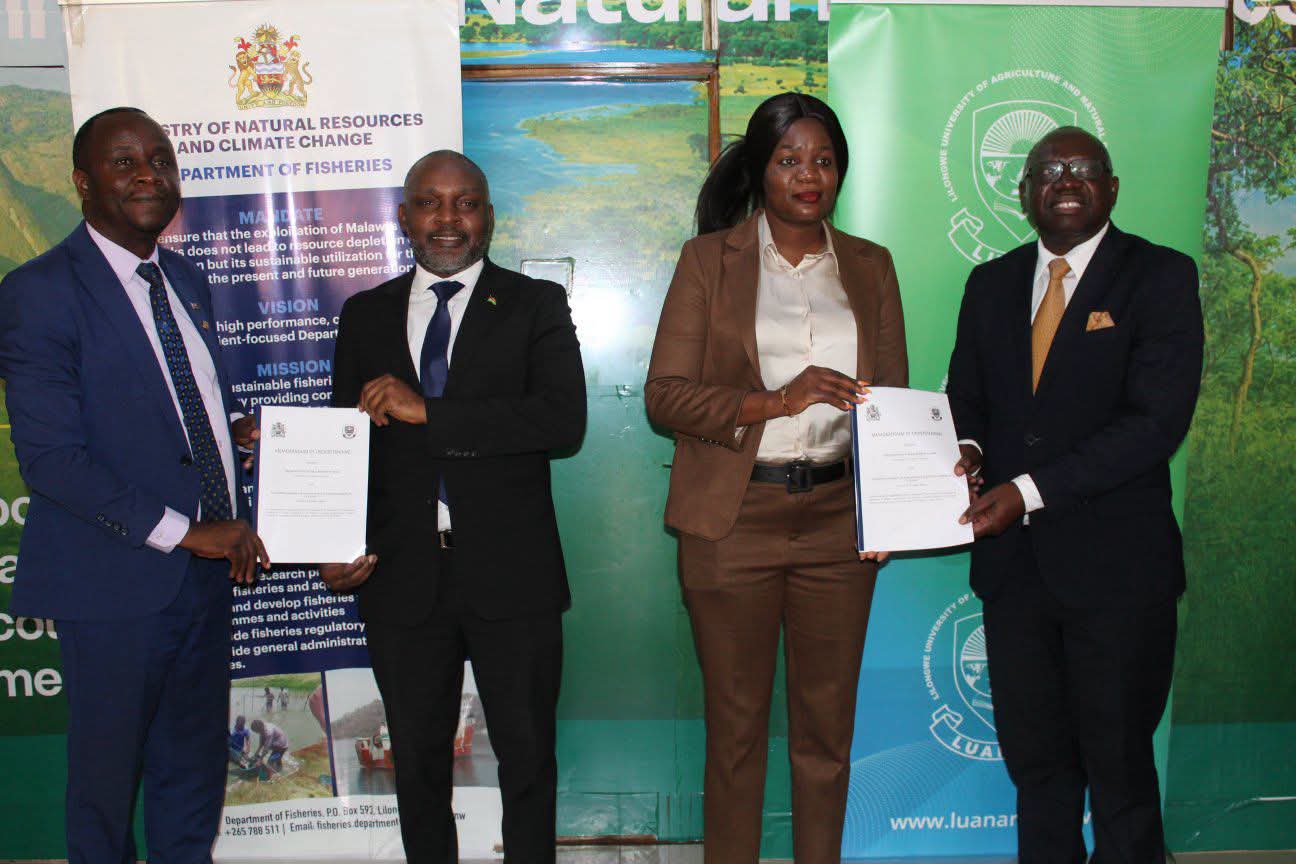
On 1 July, Foreign Affairs Minister George Chaponda stood in Lilongwe and handed certificates to the country's newest envoys, freshly marinated in ten days of protocol, international cooperation, and the sort of foreign-policy orientation that has been standard issue since embassies had powdered wigs.
What none of them received, on the public record at least, was a target. Not a trade figure, not an investment number, not so much as a polite hint about what any single posting is meant to deliver.
This is odd, because the whole point of the exercise — we are repeatedly assured — was money.
Earlier this year the government recalled its entire diplomatic corps, with Information Minister Shadric Namalomba explaining that Malawi wanted envoys whose interests aligned with the state's development, a phrase that translates roughly as "no more jobs for the boys."
The corps has been trimmed from 193 posts to 139, a cut ministers are rather pleased with, worth some K7.4 billion a year in savings. Somewhat less trumpeted is the fact that the 139 posts left standing will still cost the taxpayer close to K19 billion annually.
One assumes someone in the Treasury has done the maths and is quietly lying down.
The training itself gives the game away. A government that says it wants economic diplomacy has, by its own account, taught its diplomats protocol. Nothing in the ministry's description of the course, nor in the confirmation hearings beforehand, mentioned investment goals or a single metric by which anyone might later judge whether a mission had earned its keep.
Parliament noticed. Briefing the Public Appointments Committee in June, Principal Secretary Chauncy Simwaka conceded that Malawian law demands nothing more of an ambassador than citizenship — no qualifications required, professional or otherwise.
The ministry is reviewing the Foreign Service Act, he said, though only for future appointments, which is a very tidy way of saying this lot are exempt.
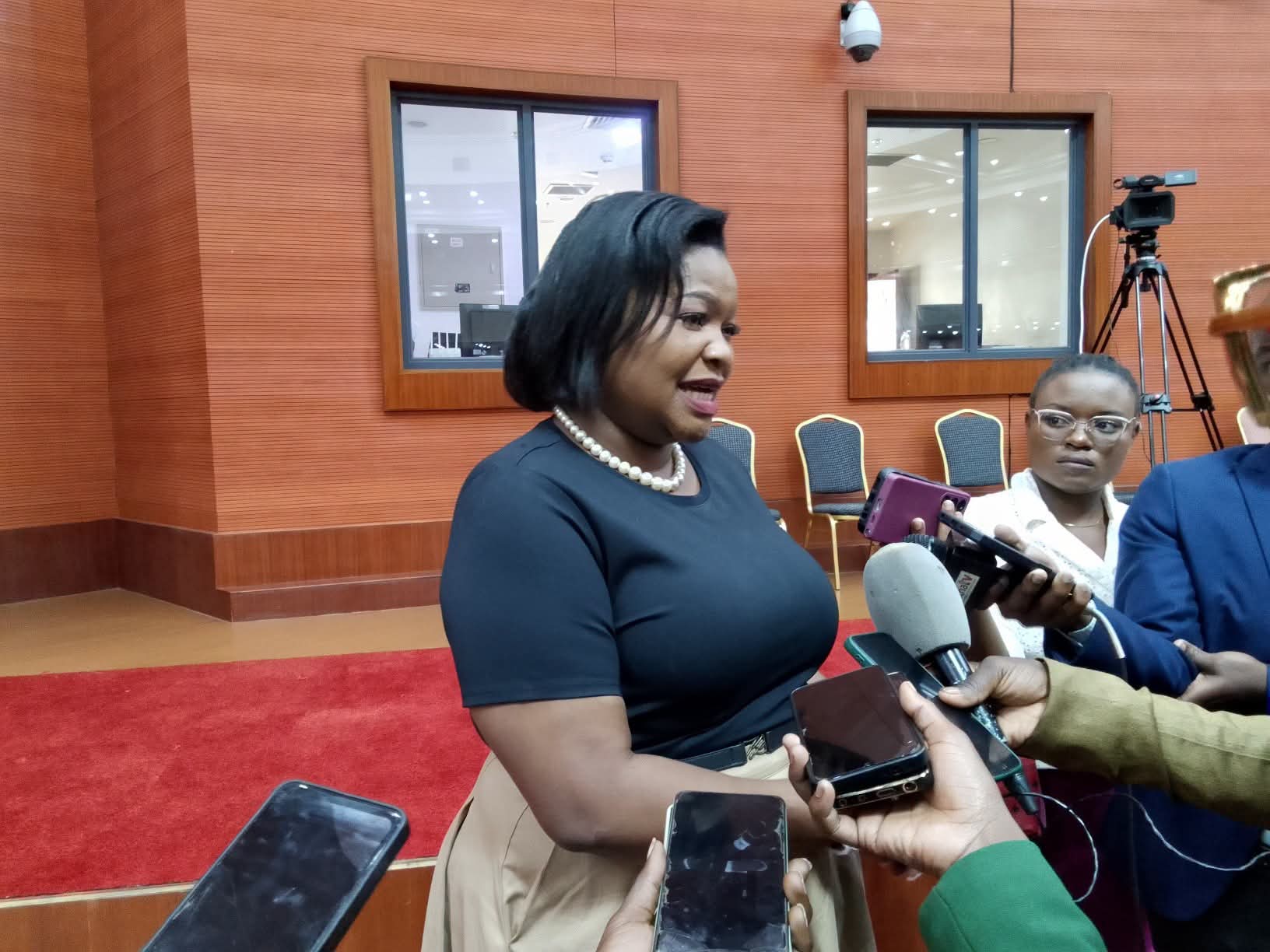
Asked when the new envoys would actually deploy, and when their predecessors would come home, ministry spokesman Charles Nkhalamba asked for more time. He is, presumably, still thinking about it.
Governance types have been predictably gloomy. Benedicto Kondowe of the National Advocacy Platform argues that appointments ought to go to people with the competence and networks to deliver results, rather than the politically convenient, warning that the latter tend to disrupt more than they achieve.
Willy Kambwandira of the Centre for Social Accountability and Transparency has raised similar concerns about spending that drifts outside its own budget lines — a diplomatic way of saying nobody is watching the bill.
They have a point, and Tel Aviv is Exhibit A. The ministry itself disclosed that running that one mission costs more than K2.3 billion, with no public accounting of what it produced in return.
A former envoy, John Chikago, who served in South Africa and Japan, put the underlying problem rather neatly: postings are not, he said, a form of tourism, and government ought to decide what it wants from a country before it sends anyone there.
He credits his own tenure with helping lure Standard Bank and Shoprite into Malawi — which is, presumably, the sort of thing everyone claims to want and nobody has bothered to demand.
The unclaimed prizes are not exactly hidden. Foreign direct investment sits at a modest US$208 million. The trade deficit has crept past US$2.3 billion. Ninety per cent of export earnings still come from unprocessed agriculture, more than half of that tobacco, and Malawi ranks a dismal fifteenth of thirty-five African countries in exploiting its duty-free access to the American market under AGOA.
Each of these is a job description waiting to be written. None, so far, has been. It is not for want of candidates.
Edward Sawerengera returns to Washington, custodian of the AGOA relationship just as global trade preferences are being renegotiated. Khwauli Msiska takes Malawi's seat at the African Union in Addis Ababa. Robert Dafter Salama heads to Pretoria, gateway to the SADC market and the ports on which landlocked Malawi depends. In Brasília, James Woods arrives with a CV spanning private enterprise, government and the multilateral system, plus prior accreditation in Brussels — precisely the sort of profile a serious commercial strategy might have been built around. Sam Alufandika goes to Morocco, Dora Mangulama to Dubai. All commercially promising posts. None, as yet, with a brief.
So the envoys will fly out on the strength of a fortnight's coaching and a general instruction to do their best for Malawi. The promised qualification standards will not apply to them. And the one figure that would actually tell taxpayers whether K19 billion a year buys results or merely buys ribbon-cutting — an economic mandate, per mission, reported against — remains, as far as anyone can establish, unwritten.
Malawi has worked out precisely what its diplomacy will cost. It has yet to work out what it's for.