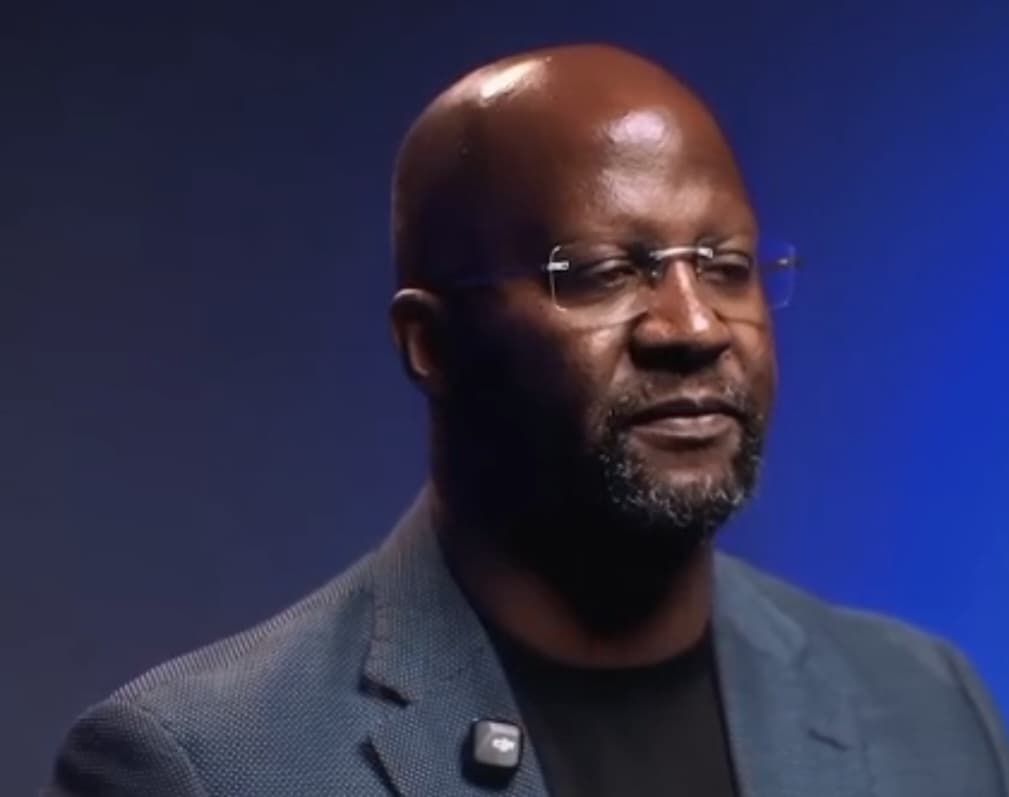
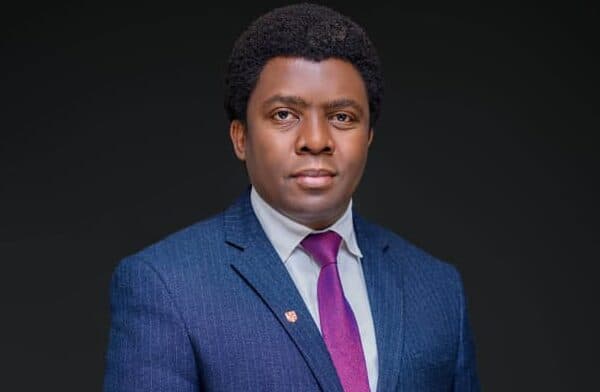
UDF president Atupele Muluzi has issued a dramatic call for Malawi to overhaul its entire foreign exchange system, insisting that liberalising the exchange rate — backed by a vital injection of foreign currency — is the crucial first step to resolving the country's crippling shortages of fuel, medicine and other essentials.
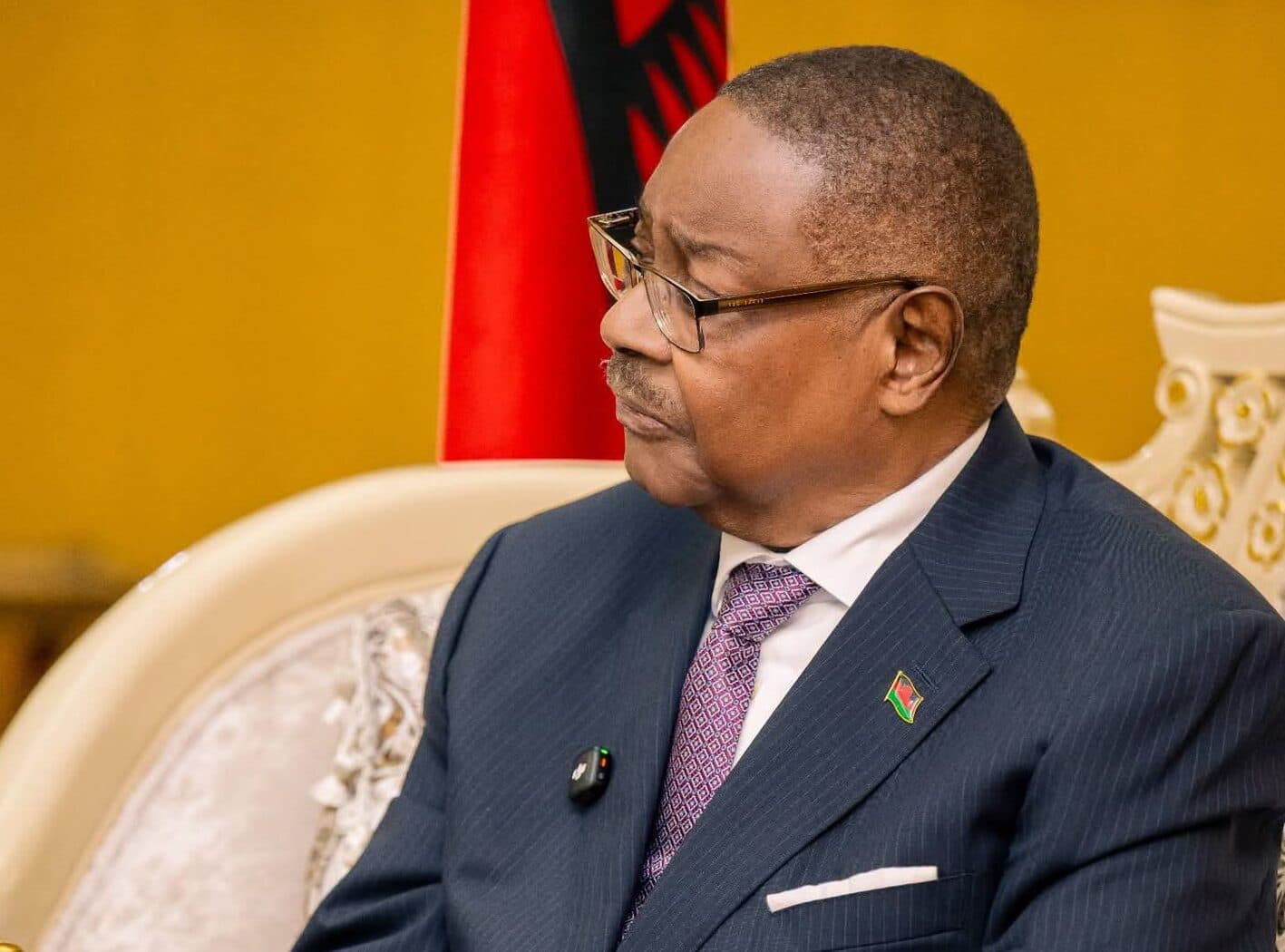
Muluzi's intervention came hot on the heels of President Peter Mutharika's recent MBC interview, in which the President claimed his administration had already delivered on roughly 50 per cent of its election promises since taking office on 5 October 2025.
But while acknowledging what Mutharika described as progress, Muluzi insisted the government must stop basking in first-year achievements and confront the ticking time bomb at the heart of Malawi's economic woes.
"At the heart of many of these problems is one issue: forex," Muluzi declared bluntly.
He argued that the foreign exchange crisis is the root cause behind a cascade of economic misery currently gripping households and businesses — from fuel shortages and runaway prices to unreliable electricity, medicine shortages and desperately limited job opportunities.
Laying bare the scale of the crisis, Muluzi revealed that Malawi needs a staggering $3.3 billion every year just to finance essential imports like fuel, fertiliser and medicines — yet the country generates a mere $1 billion from exports, leaving a devastating $2.3 billion annual shortfall.
"For many years, that gap was partly covered through donor support and borrowing. But that model is no longer sustainable," he warned.
In a damning illustration of just how broken the system has become, Muluzi pointed to the yawning gap between the official exchange rate and the black market, revealing that while the official rate sits at around K1,800 to the dollar, the greenback is fetching an eye-watering K4,000 on the parallel market.
"That is not a healthy economy," he said, warning the gulf was actively fuelling arbitrage, scaring off investors and driving shortages and soaring prices that are hammering ordinary Malawians through expensive medicines, fuel struggles and rocketing business costs.
Muluzi welcomed ongoing talks with the International Monetary Fund and World Bank, saying Malawi desperately needs an injection of foreign currency to stabilise the economy — but issued a stark warning that external help alone will not fix the crisis.
"Malawi needs an injection of foreign exchange to stabilise our economy and support a credible reform programme," he said. "But we must also confront the difficult issue at the centre of this crisis: the exchange rate."
Under his so-called Business First Plan, Muluzi called for the exchange rate to be liberalised — but cautioned that any move must be handled with extreme care rather than rushed through recklessly, insisting Malawi must first secure enough foreign currency to cushion the transition.
Crucially, he said the country must break its addiction to borrowing and start generating its own dollars through genuine production, investment and exports.
"We must start producing more dollars," he insisted, pointing to mining, energy, tourism, agriculture and manufacturing as the sectors capable of transforming Malawi's fortunes and attracting serious international investment.
Muluzi said Malawi was already sitting on a goldmine of untapped potential — including valuable minerals, fertile land, energy resources and world-class tourism opportunities — but warned that investors need genuine confidence they'll be able to operate freely, access foreign exchange and repatriate their profits.
He issued a blunt warning against continuing to borrow Malawi's way out of trouble. "We cannot keep borrowing our way out of a problem that requires production and investment," he said.
In his most pointed attack yet, Muluzi accused Malawi's political class of serial procrastination on the tough decisions the country desperately needs.
"We have been postponing difficult decisions," he said. "And every time we postpone them, the pain gets bigger."
He delivered an impassioned plea on behalf of Malawi's youth, warning they have run out of patience for empty promises.
"Our young people don't need another speech telling them to be patient," he said. "They need opportunity. They need jobs. They need electricity. They need fuel. They need affordable medicines. They need investment. They need hope."
Muluzi called for a fundamental shift in Malawi's economic mindset — from shortages to production, from borrowing to investment, from uncertainty to confidence, and from delay to decisive action.
"Malawi can turn this around," he said. "But we have to be prepared to make difficult decisions today to build a better Malawi tomorrow."
He closed with a direct appeal for the economic debate to rise above party politics altogether. "This is not about politics," Muluzi said. "This is about the future of Malawi."