The Governor of the Reserve Bank of Malawi (RBM), Dr George Partridge, has described non-bank financial institutions as a crucial pillar of economic growth, urging greater regional cooperation to strengthen regulation and protect savers across Southern Africa.
Speaking at the opening of the 49th Annual General Meeting of the Committee of Insurance, Securities and Non-Banking Financial Authorities (CISNA) in Lilongwe on Monday, Dr Partridge said pension funds, insurance companies and other non-bank financial institutions have an increasingly important role to play in mobilising domestic savings and financing national development.
The meeting has brought together 26 regulatory authorities from 14 SADC member states to discuss challenges and opportunities facing the sector.
Dr Partridge said the expanding scale and sophistication of financial markets had made effective cross-border regulation more important than ever.
"A financial institution may be licensed in one country, rely on technology hosted in another, invest across several markets and serve customers who themselves move across borders," he said.
"The risks associated with such an institution, however, do not carry passports when they cross those borders."
He argued that closer cooperation among regulators was essential to keep pace with increasingly interconnected financial systems, describing CISNA as a key platform for building supervisory capacity and responding to emerging risks.
"CISNA is much more than a forum that meets periodically," he said.
"It is part of the regional infrastructure through which we strengthen our supervisory capacity, share knowledge and improve our collective ability to respond to emerging risks."
The governor also made the case for greater regulatory harmonisation across SADC, stressing that the objective was not to impose identical laws but to reduce unnecessary differences that create barriers for investors and financial institutions operating across multiple jurisdictions.
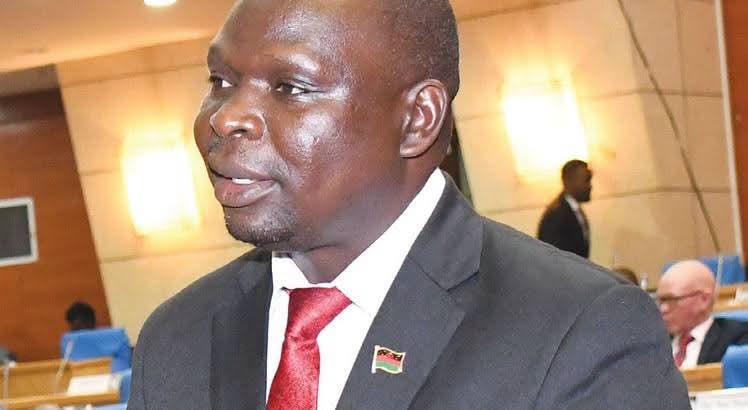
In his address as guest of honour, Minister of Trade and Industry Simon Itaye echoed the call for stronger regional collaboration, describing inclusive and resilient financial systems as central to long-term economic development.
He said effective financial regulation could help safeguard household savings, expand access to finance and create opportunities for businesses to grow.
"Across Southern Africa today, traders receive mobile payments, farmers insure their crops against disaster and workers save for a dignified retirement," he said.
"Yet, for far too many families, a single illness, a flood, a failed harvest or a dishonest financial intermediary can wipe out years of sacrifice."
Itaye said regulators must strike a balance between protecting consumers and encouraging innovation, particularly in emerging areas such as mobile money, insurtech and crowdfunding.
"Let us not regulate technology out of existence," he said. "Let us make it safe, affordable and inclusive."
The minister also revealed that the government is reviewing the Financial Services Act, Cooperatives Act and Microfinance Act in an effort to align them with SADC model laws.
He challenged CISNA members to accelerate regulatory harmonisation, strengthen protection for small savers and ensure financial systems support broader economic inclusion across the region.
The four-day gathering concludes with discussions on strengthening regulatory frameworks, promoting financial stability and expanding access to financial services across Southern Africa.