Malawi's Minister of Industrialization, Business, Trade and Tourism, Simoni Itaye, has pressed the Malawi Bureau of Standards (MBS) and the Small and Medium Enterprises Development Corporation (SMEDCO) to translate newly signed public sector reform contracts into measurable results, warning against treating the agreements as symbolic milestones.
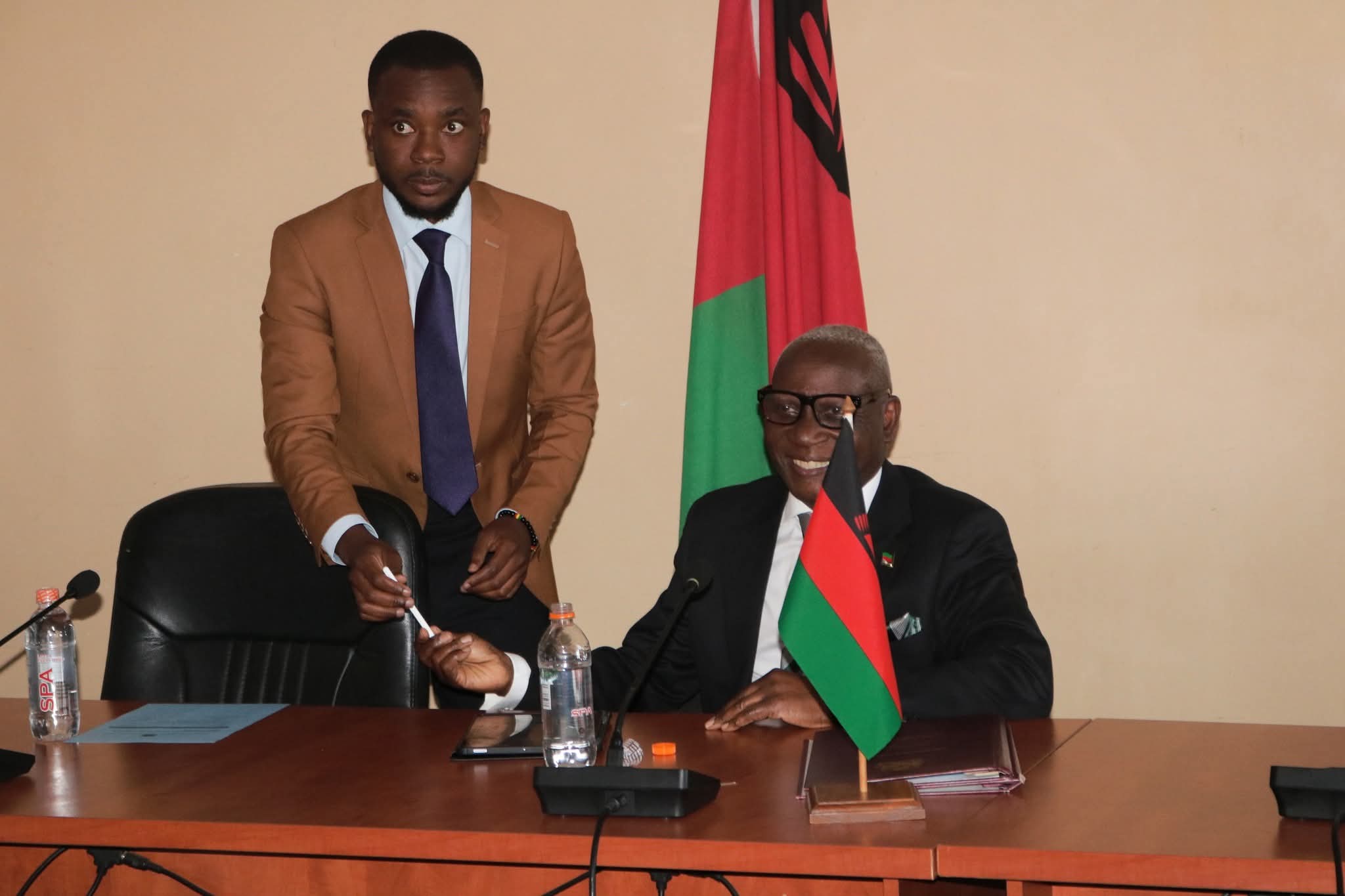
Speaking at a signing ceremony in Lilongwe, Itaye acknowledged the contracts represented an important step for the ministry, but cautioned against what he characterised as a culture of celebrating agreements without delivering the outcomes they were designed to produce.
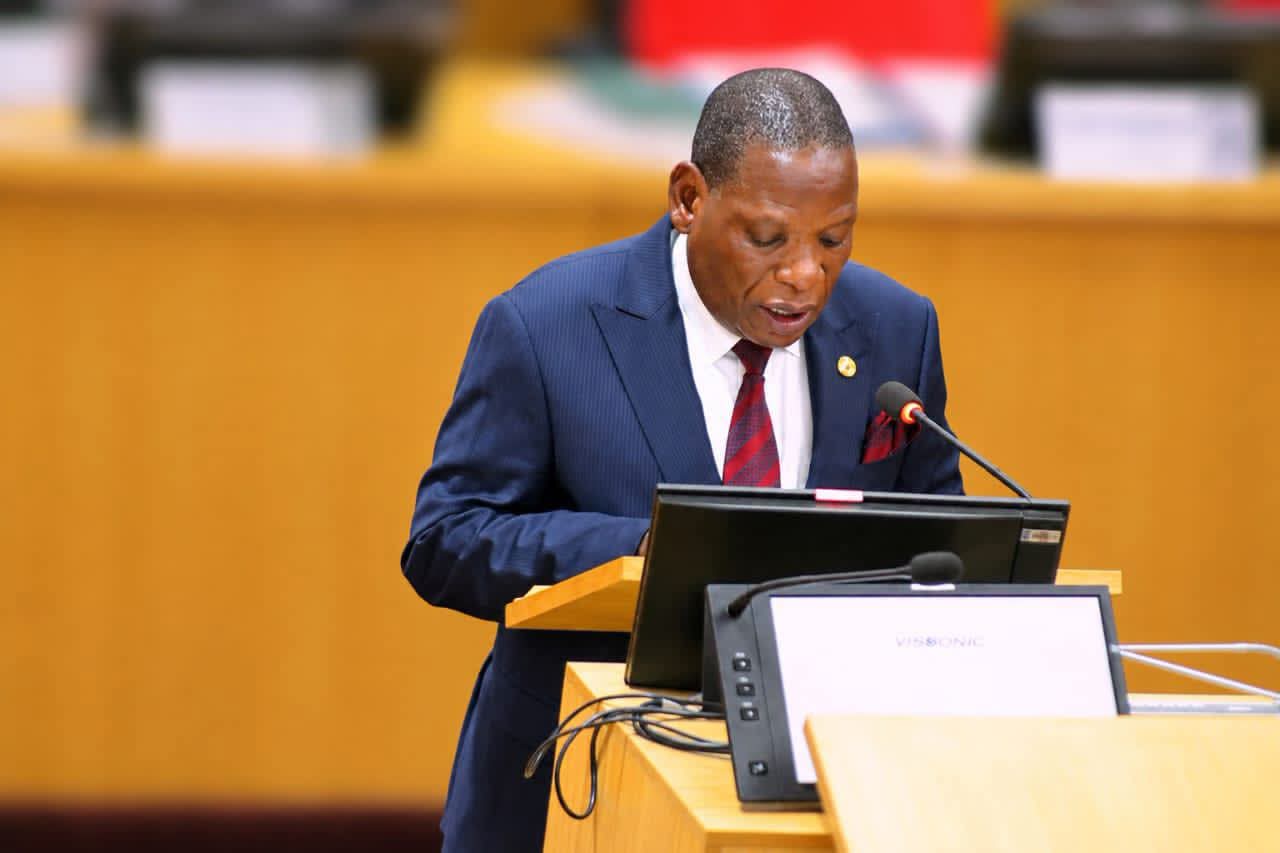
"It's of no use signing a contract or agreement and few months or few years down the line, you have nothing on the ground. I, therefore, expect concrete institutional functions, greater coordination and innovation.
"Because at the end of the day, the ultimate beneficiaries of all these reforms are the citizens of Malawi," Itaye said.
The minister was candid about his frustration with a broader pattern he sees across government institutions, criticising a tendency to sign contracts or launch strategies that fail to produce tangible results.
He called for quarterly monitoring and evaluation to ensure the reforms are properly tracked and implemented.
Under the terms of the agreement, MBS has committed to securing an appropriate policy and legal framework to support its regulatory mandate, alongside resource support intended to build institutional capacity and a more robust conformity assessment regime.
The bureau also committed to establishing clearer oversight and leadership structures, and to collaborating on standards development, sector-specific targeting and conformity assessment activities.
SMEDCO, meanwhile, committed to constructing value-addition facilities in line with the SME Transformation Programme, and to issuing letters of comfort to support SMEs seeking bank overdraft facilities where required.
The contracts run from the first quarter of the 2026/27 financial year through to the fourth quarter of 2027/28.
MBS was represented at the signing by Director General Symon Mandala, while SMEDCO was represented by Chief Executive Officer Kondwani Kachamba Ngwira.
Three further institutions under the ministry's purview — the Competition and Fair Trading Commission, the Malawi Investment and Trade Centre, and the Malawi Tourism Authority — have yet to sign equivalent reform contracts.
The push for measurable delivery reflects a wider challenge facing public sector reform efforts across Malawi's parastatal and regulatory landscape, where performance contracts have periodically been introduced as a governance tool without always translating into sustained institutional change.
Whether this latest round of agreements proves different is likely to depend heavily on the quarterly monitoring mechanism Itaye has called for, and on whether underlying capacity and resourcing constraints at agencies such as MBS are addressed alongside the contractual commitments themselves.