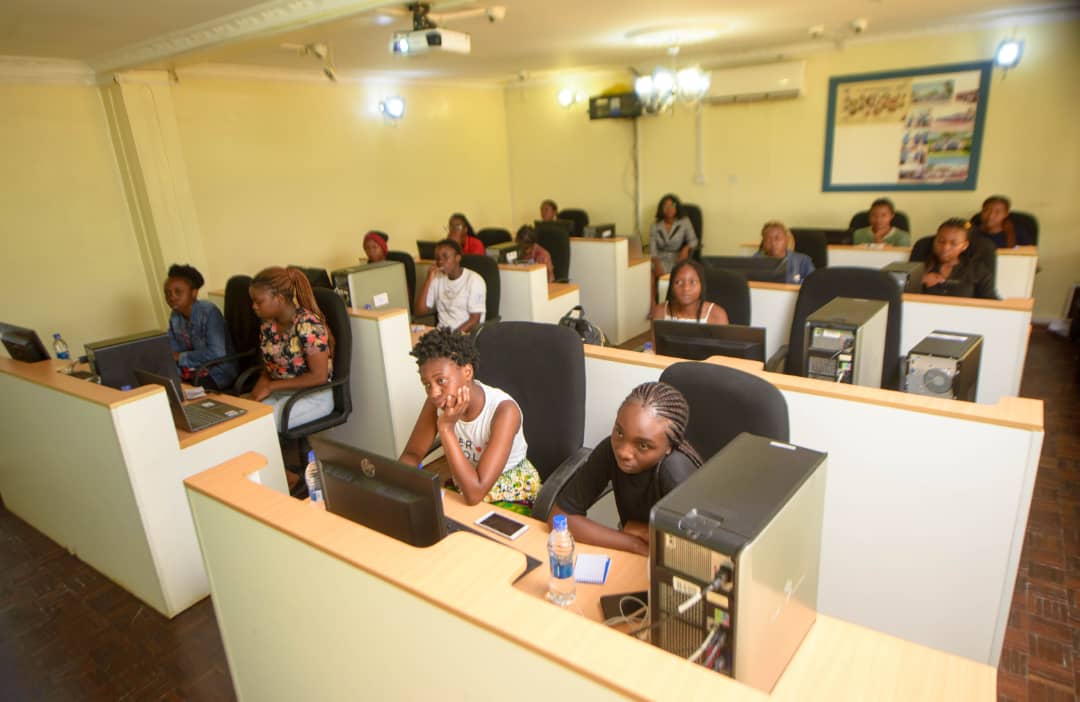
Malawi risks locking a generation of talented students out of higher education unless government urgently overhauls its student loan and bursary system, a security and governance analyst has warned, as recent tuition fee increases at the country's universities spark growing public anger.
In a widely shared commentary, Sydney Mpotalinga, a law and social work graduate, said the fee hikes — introduced by universities citing rising operational costs, inflation and the need to sustain quality education — had ignited a national debate that goes far beyond campus finances.
"For many Malawian families, paying the previous tuition fees already demanded extraordinary sacrifice," Mpotalinga wrote.
"Today, thousands of parents — subsistence farmers, market vendors, security guards, teachers, nurses, police officers and low-income civil servants — are wondering how they will afford these new charges."
"Not simply personal aspirations" Mpotalinga argued that university admission represents more than academic achievement for many families — it is the culmination of years of hope and sacrifice, from farmers dreaming of seeing a daughter become a doctor to market vendors hoping their child becomes the first graduate in the family.
"These are not merely personal aspirations," he said. "They are investments in Malawi's future."
The real danger, he argued, is not that Malawi will lose bright students because they lack ability, but because they cannot afford to study.
"When access to higher education depends more on the size of a family's income than on a student's academic ability, society abandons merit in favour of privilege," he wrote, describing the trend as "a dangerous path for any nation seeking inclusive growth, social mobility and sustainable national development."
A five-point call to action Mpotalinga set out a series of interventions he says government and universities must consider:
Reviewing student loans and bursaries so that financial support rises in step with tuition fees, rather than leaving low-income students with a widening affordability gap.
Expanding the Higher Education Students' Loans and Grants Scheme to ensure academically deserving students from poor backgrounds have a realistic shot at university.
Phasing in fee increases gradually, rather than imposing sudden hikes that shock household budgets.
Broadening the financing base beyond government, drawing in the private sector, banks, development partners, charitable foundations and alumni to fund scholarships and endowments.
Exploring income-contingent loans, allowing graduates to begin repayments only once they are earning above a set income threshold — a model used successfully in other countries.
He also called on government to treat higher education spending as a strategic investment rather than a cost.
"Every graduate produced today contributes to tomorrow's economic growth, public service, innovation, healthcare, food security, technological advancement and democratic governance," he said.
"A national loss" Mpotalinga was emphatic that his intervention was not an attack on universities, which he said deserved adequate and sustainable funding.
Instead, he framed the debate as a test of what kind of country Malawi wants to be.
"The true measure of a nation is not simply the number of universities it builds, but whether those universities remain accessible to talented young people from every corner of the country, regardless of their economic background," he wrote.
He warned that every student priced out of higher education by poverty represents a doctor, engineer, teacher, nurse or entrepreneur the country will never get to benefit from.
"Every talented young person locked out of university because of poverty is not merely a personal loss — it is a national loss," he said.
Mpotalinga closed with a stark warning to policymakers: "Malawi cannot afford to price its future out of the classroom."